Optimal Timing for Concrete Installation
Determining the best time for concrete installations involves considering weather conditions, temperature, and humidity. Proper timing ensures durability, strength, and proper curing of the concrete. Seasonal factors significantly impact the quality of the finished surface, making timing a critical aspect of planning.
Concrete performs best when temperatures are between 50°F and 85°F. Extreme cold or heat can affect curing and lead to cracking or weak spots.
Spring and early fall are generally optimal for concrete work due to moderate temperatures and lower precipitation levels.
Dry weather with low humidity minimizes risks of surface defects and ensures proper setting and curing.
Concrete installation should be avoided during freezing temperatures or during heavy rain to prevent damage and compromised strength.
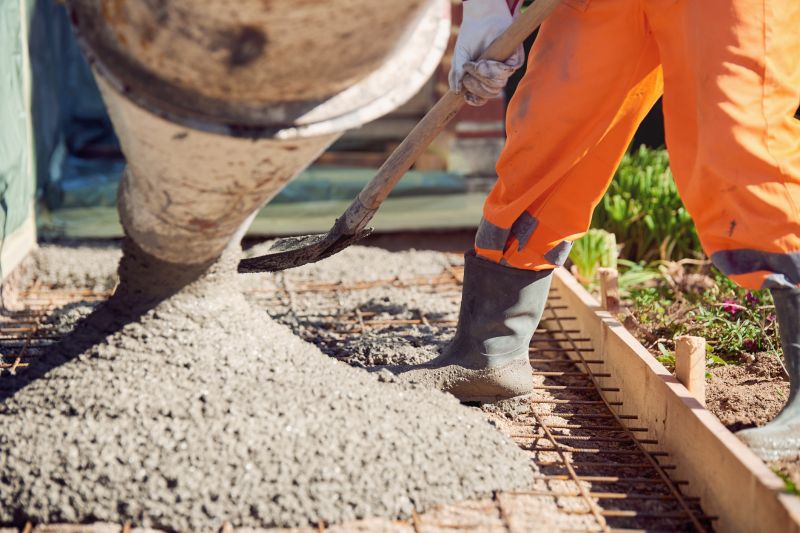
Concrete poured during moderate temperatures ensures optimal curing conditions.
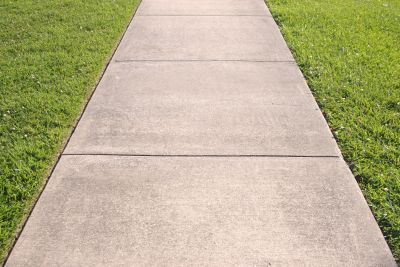
Spring offers ideal conditions for durable concrete work with manageable weather.
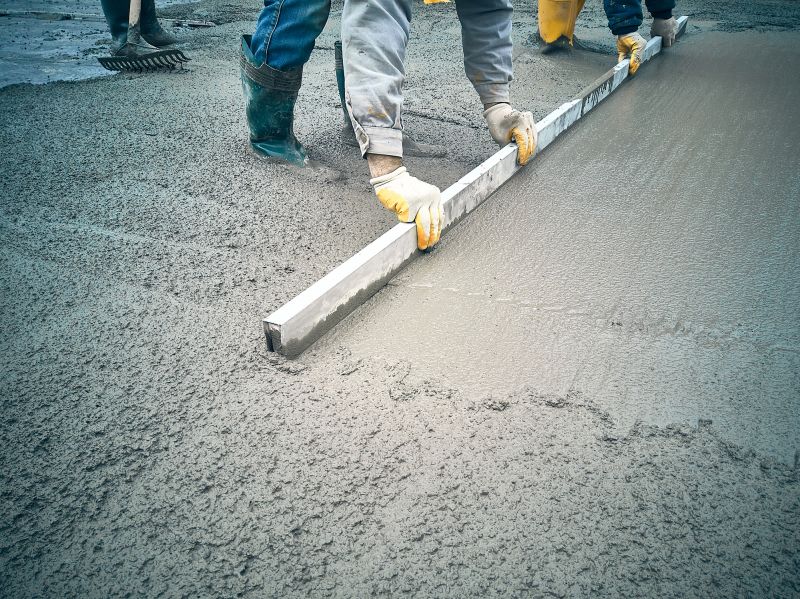
Early fall provides cooler temperatures suitable for long-lasting concrete surfaces.
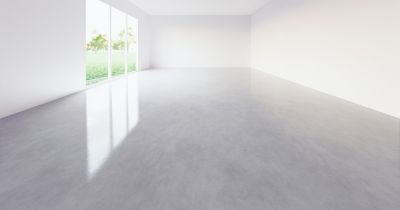
Ways to make Concrete Installations work in tight or awkward layouts.

Popular materials for Concrete Installations and why they hold up over time.
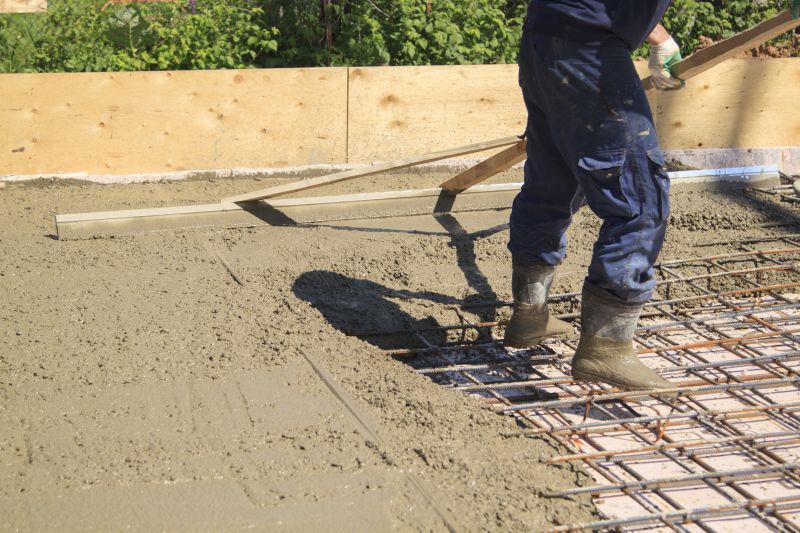
Simple add-ons that improve Concrete Installations without blowing the budget.
| Season | Recommended Conditions |
|---|---|
| Spring | Moderate temperatures, low precipitation |
| Summer | Early morning or late evening work to avoid heat |
| Fall | Cool, dry weather with stable temperatures |
| Winter | Generally not recommended unless heated enclosures are used |
| Late Spring/Early Fall | Optimal for most projects |
Concrete installations require careful planning to ensure quality and longevity. Proper timing minimizes risks such as cracking, surface imperfections, and reduced durability. Seasonal and weather considerations are vital, with spring and fall often providing the most favorable conditions. Temperature control during curing is essential for achieving optimal strength and surface integrity.
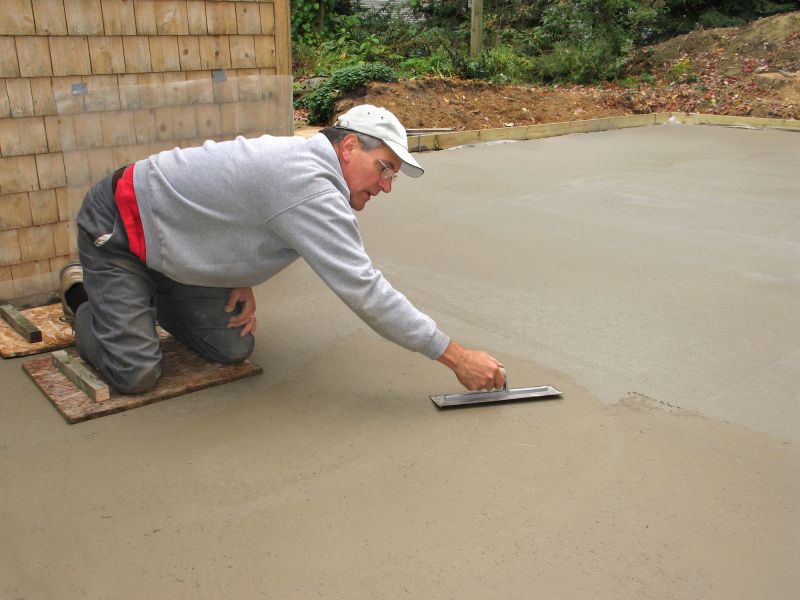
Proper timing and weather conditions contribute to successful installation.
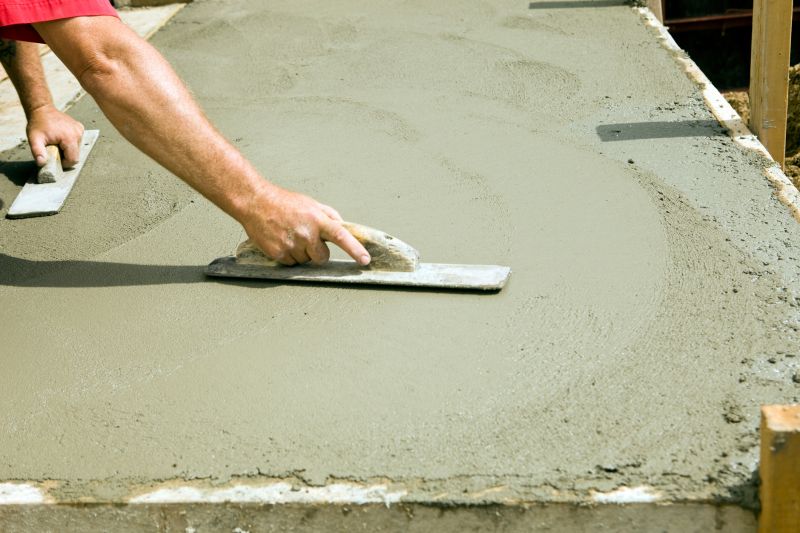
Durable and smooth surface resulting from optimal timing.
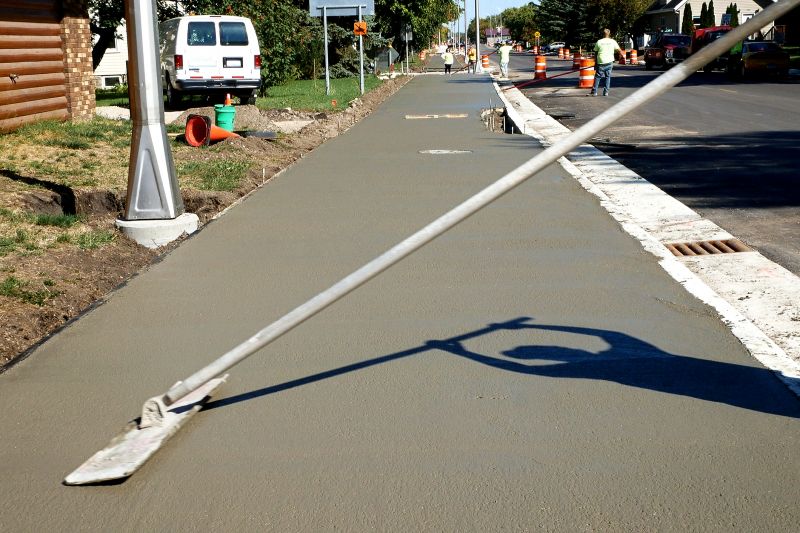
Scheduling projects during ideal seasons enhances quality.
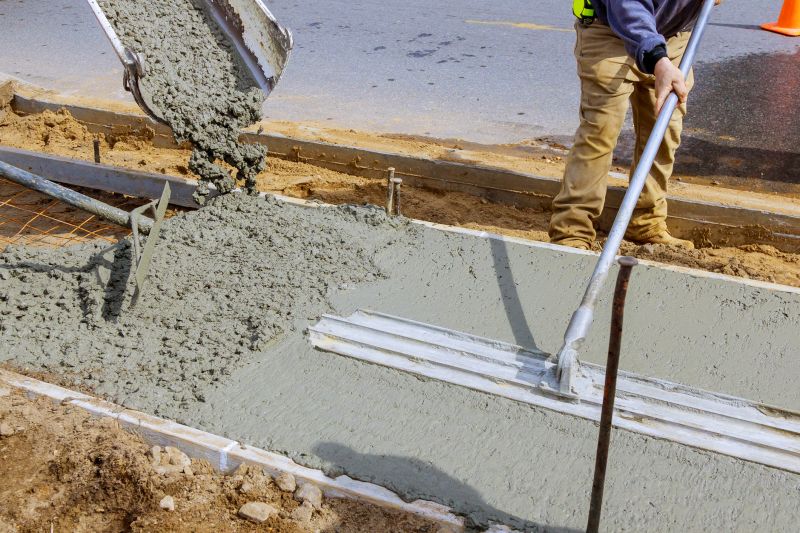
Proper curing is essential for long-lasting concrete.
Interested in scheduling a concrete installation? Filling out the contact form can provide assistance in planning the project at the optimal time for lasting results.